

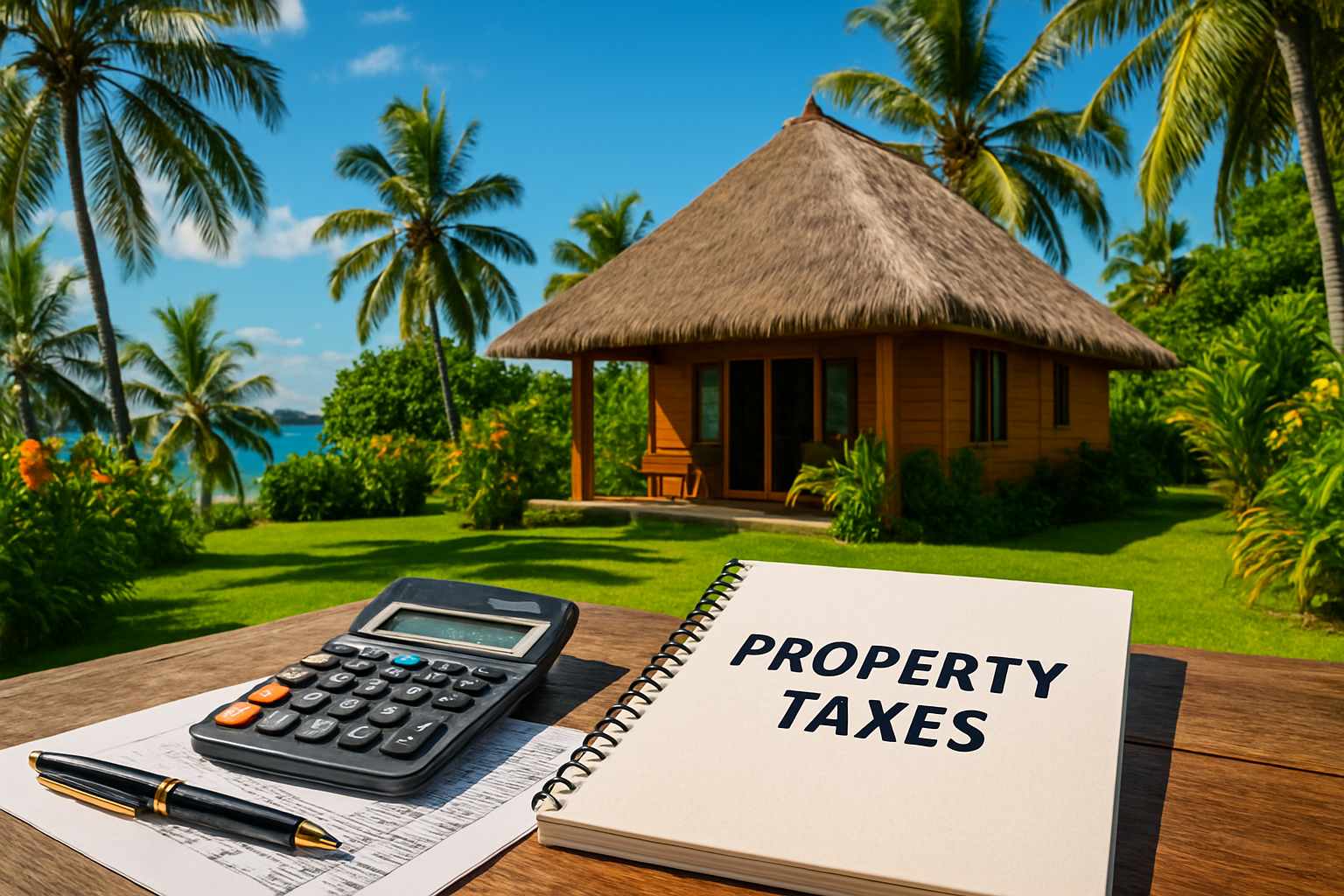
Navigating property investment in Vanuatu can be an exhilarating journey, especially when the allure of Espiritu Santo’s tropical paradise beckons. However, understanding Vanuatu property taxes is crucial for making informed decisions. Whether you’re purchasing land, homes, or commercial property, being well-versed in the tax landscape is essential.
What are Vanuatu Property Taxes?
Vanuatu offers a unique tax environment, attracting investors from around the globe. The absence of capital gains tax, inheritance tax, and withholding tax makes it an attractive destination for property investment. However, understanding the nuances of property-related charges like leasehold fees and other government charges is vital.
Leasehold vs Freehold Properties
In Vanuatu, most properties are leasehold, meaning the land is leased from the government or customary landowners for a specified period. It’s essential to understand the differences between freehold and leasehold properties to assess the long-term financial implications of your investment. Leasehold properties may include annual lease payments, which vary based on the property’s location and size.
Government Charges and Fees
While Vanuatu does not levy property taxes in the traditional sense, there are still fees associated with property transactions. These can include registration fees, stamp duties, and legal fees. It’s crucial to factor these costs into your investment calculations to ensure a comprehensive understanding of your financial commitments.
Navigating Property Purchase in Vanuatu
Purchasing property in Vanuatu, particularly in sought-after locations like Espiritu Santo, requires careful planning and understanding of local regulations. The process can be smooth and rewarding with the right guidance.
Legal Considerations
The legal framework surrounding property transactions in Vanuatu is robust but requires due diligence. Investors should engage with reputable agents and legal professionals to navigate the complexities of property purchase agreements and lease terms. Our guide to buying property in Vanuatu as a foreigner offers detailed insights.
Popular Investment Locations
Espiritu Santo offers a plethora of investment opportunities, from beachfront properties to commercial sites. Whether you’re looking for a serene retreat at Lapita Beach or a business venture in Luganville, understanding the local market dynamics is key.
Engaging with Vanuatu’s Real Estate Market
The Vanuatu real estate market is vibrant, offering diverse opportunities for both residential and commercial investors. Staying informed about market trends and legal requirements ensures a successful investment experience.
The Role of Real Estate Agents
Partnering with experienced real estate agents, like those at Northern Vanuatu Real Estate, can simplify the property search and acquisition process. Their expertise in local market conditions and legal prerequisites can provide invaluable support, ensuring a seamless transaction.
Market Trends and Opportunities
The demand for vacation rentals and residential properties in Espiritu Santo continues to grow. Understanding these trends and exploring investment opportunities in high-demand areas can maximise returns. Whether you’re interested in purchasing a beachfront investment or a development site, staying abreast of market dynamics is essential.
Planning Your Move to Vanuatu
Considering a move to Vanuatu involves more than just property investment. The lifestyle, cultural nuances, and cost of living are all factors that potential residents must consider.
Lifestyle and Cultural Insights
Embracing the Espiritu Santo lifestyle offers a unique blend of relaxation and adventure. From exploring local markets to enjoying snorkelling tours, the island offers a rich cultural tapestry that enriches daily life.
Cost of Living Considerations
Understanding the cost of living in Vanuatu is crucial for budgeting and financial planning. While some costs may be lower than in urban centres elsewhere, others, like imported goods, may be higher. Comprehensive financial planning ensures a comfortable transition to island life.
Frequently Asked Questions
What are the main taxes associated with property in Vanuatu?
While Vanuatu does not have traditional property taxes, there are fees such as registration fees, leasehold payments, and legal costs.
Can foreigners own property in Vanuatu?
Yes, foreigners can own property in Vanuatu, primarily through leasehold agreements. Learn more about buying as a foreigner.
Are there capital gains taxes in Vanuatu?
Vanuatu does not impose capital gains tax, making it an attractive destination for property investors.
How can I find a reliable real estate agent in Vanuatu?
Partnering with established agencies like Northern Vanuatu Real Estate ensures access to expert guidance and local insights.
Explore Your Vanuatu Real Estate Opportunities
Ready to invest in paradise? Discover your dream property with Northern Vanuatu Real Estate. Explore our listings and find your ideal investment opportunity today. Whether you’re seeking a tranquil beachfront retreat or a bustling commercial property, our team is here to guide you every step of the way.
